THE POWER OF STORY
Narratives or widely held beliefs about the carceral system are often shaped through the stories we most often hear. That is why Second Chance Justice centers the voices of returning citizens in this work. Their testimonies do more than share personal experience; they challenge harmful assumptions, reveal the truth of reentry, and call us into a broader vision of community where people are not defined by incarceration, but by their humanity, resilience, and potential. When those most impacted speak for themselves they transform predominant narratives, and in doing so, can also open the door to systemic change.
Click their name to read each gentleman’s story.
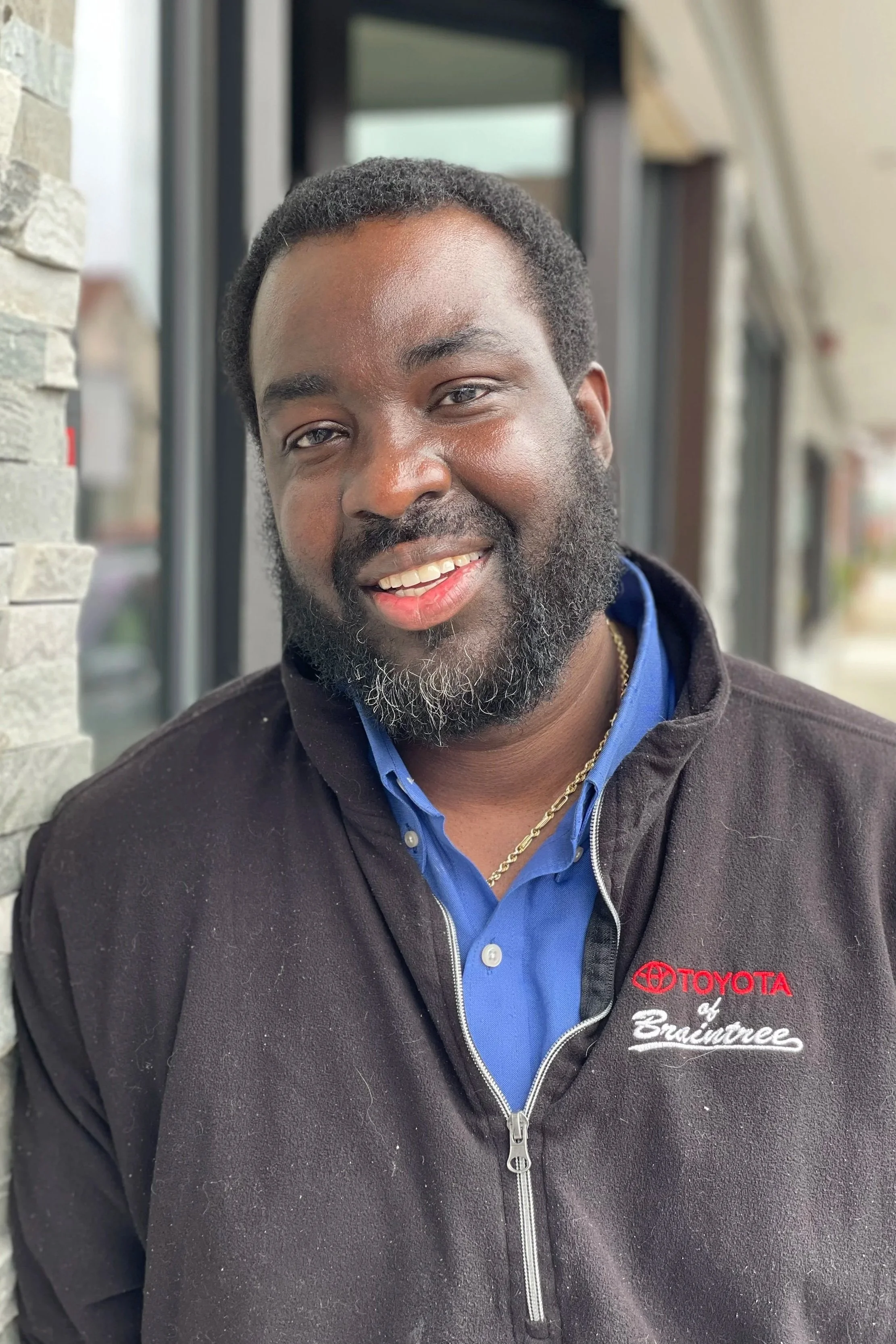
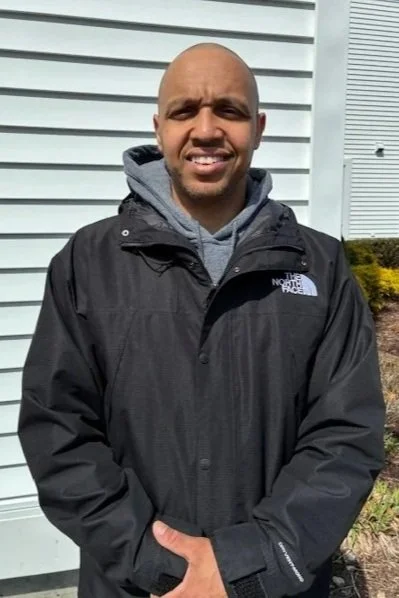
Used Car Lot Assistant
Tufanjkian Toyota of Braintree
Commutation Recipient February 2022
William Allen
“When individuals are given a fair chance at release and the tools to successfully reintegrate, they are more likely to become stable, productive members of their communities. That means safer neighborhoods, lower rates of reoffending, and stronger families.”
There were definitely times when I felt myself losing hope in prison. Even though I never gave up, I saw guys around me give up completely because they felt like they had nothing to look forward to. I remember people saying they didn’t care anymore—getting in trouble, using substances—because, in their minds, they had nothing to lose. But then I witnessed how my commutation, even just being given a commutation hearing, gave hope to a lot of guys.
One of the biggest challenges when I got out was adjusting to society again after 28 years. A year after I got out, my father passed away suddenly before he could really help guide me through this new chapter of my life. That was devastating. Losing him while trying to rebuild my life made everything harder.
At the same time, I was surprised by how much support and love I received, even from people who didn’t know me. But there were big challenges, like finding stable housing after my father passed. A network of friends and family helped me figure out what was available to me. I signed up for housing assistance, but navigating those systems wasn’t straightforward, especially after being disconnected from society for so long. And even though I applied, I have still not received housing assistance.
One of the most helpful things for me since I got out has been being able to talk to a therapist. In prison, there’s a stigma about mental health. You don’t talk to therapists. But being able to talk to someone and work through my life has been one of the most helpful things for me. My friend Joe Moore helped me to find an excellent therapist who sees me at no charge. Again, this is something that came from my own network. Many people coming out of prison and jail don’t have access to a therapist.
People who have done the work to change deserve a real chance at a second life. The commutation process should be faster and more transparent so people aren’t left waiting for years without answers. Reentry support needs to start before release and continue afterward, including housing support, mental health services, and guidance on navigating benefits. When individuals are given a fair chance at release and the tools to successfully reintegrate, they are more likely to become stable, productive members of their communities. That means safer neighborhoods, lower rates of reoffending, and stronger families.
Four years after applying for a commutation, I finally got a hearing thanks to the work of my legal team and Second Chance Justice. Ultimately, I was granted a commutation, but in the meantime It had cost the state of Massachusetts over $100,000 per year to keep me incarcerated while I waited, totaling $400,000 spent on me alone. Imagine if that money had been invested in reentry programs for me and my formerly incarcerated brothers and sisters. But it cost me precious time with my sister and father before they both passed.
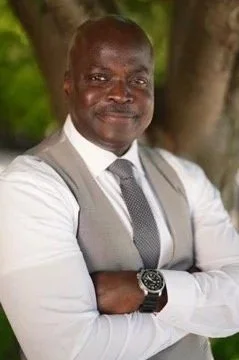
Director of Reentry, Violence and Prevention
The Center for Teen Empowerment
Commutation Recipient February 2022
Thomas Koonce
“With the stalling of commutation cases which have received a positive recommendation, there’s less momentum and less hope. ”
The waiting period after I filed my commutation petition in 2014 or 2015 was long, uncertain, and stressful. It was 5-6 years before I received a hearing. Early on, I was hopeful, especially when there were indications that movement might happen. After the hearing and positive recommendation, I waited another year for the governor’s decision. During that time, I lost both my brother and my mother. At the same time, I was trying to plan for the possibility of release and I focussed on things like housing and employment, but the extended timeline made it difficult to rely on any of those plans.
Receiving commutation was a significant turning point for me. It created an opportunity to move forward with goals I had been working toward for years. It also carries a certain level of recognition, given the standards involved, which has allowed me to share my experience and speak about the process with others. My commutation gave hope to a lot of people that they could earn a second chance.
More recently, when I visit prisons, which I do often, I’ve noticed a shift in how people view commutation. With the stalling of commutation cases which have received a positive recommendation, there’s less momentum and less hope. People who were once actively preparing and expecting progress seem more uncertain now, and that affects their overall outlook.
Since being released, I’ve had a lot of support, which made a difference, but there were still challenges. Basic things like obtaining identification documents involved a series of administrative steps that weren’t always straightforward. Housing remains one of the most consistent challenges, not just for me, but for many people returning home. At times I have been struck by the gap between what some organizations say they provide and what is actually available. At the same time, there are individuals and groups doing meaningful work. Peer support, especially from people who had already navigated reentry, was critical for me. Programs like Transformational Prison Project show what effective, wraparound support can look like with mentorship, accountability, and a sense of community that continues after release. That kind of consistent, relationship-based support makes a real difference in whether someone is able to stabilize and move forward.
The work done while incarcerated, such as building relationships, developing skills, and staying engaged, can shape what happens on the outside. But individual effort alone isn’t enough. If commutation and reentry are going to function the way they’re intended to, there need to be clearer timelines and more transparency in the commutation process so people aren’t left waiting indefinitely without direction. On the reentry side, there needs to be greater investment in housing, better coordination around basic identification and documentation, and stronger support for programs that provide wraparound services.
When those pieces are in place, the impact goes beyond the individual. People are better positioned to contribute, support their families, and stay on stable paths. It’s about strengthening communities and creating better long-term outcomes for society as a whole.
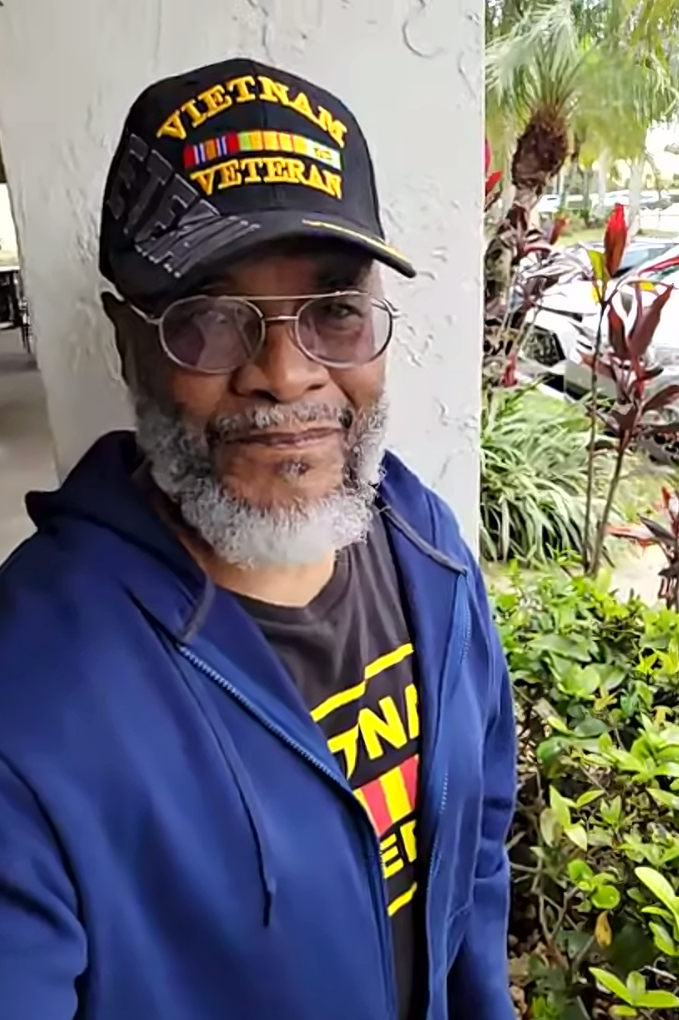
Disabled Vietnam Veteran
Commutation Recipient December 2022
Ramadan
Shabazz
“If I had one minute with the Governor, I’d say, the guys who are waiting for you to make a decision on their commutations have done everything you asked them to do.”
I was incarcerated for 53 years and I’ve seen this system from every angle. Back when I first came in, there wasn’t much hope. You took programs, but you weren’t thinking about getting out. You were just trying to stay busy, stay out of trouble, do something positive with your time. When I got to a minimum, when I got furloughs, when I started working out in the community, I felt what freedom was like again. I was working and interacting with people. I wasn’t locked behind a door 24/7.
That’s when I told myself: I’m getting out of here. I’m going to be free. I didn’t know when. I didn’t know how. But I knew it was going to happen. That feeling gave me hope.
In the ’70s and ’80s, parole decisions came quicker and commutations happened. You had opportunities to prove yourself by going out, working in the community, and showing responsibility. Then when you went in front of the board, they looked at what you were doing—not just what you did decades ago. It wasn’t perfect but there was hope.
Back then, officials like parole board members and governor’s councillors would actually come into the prisons and sit down and talk to lifers directly about commutation and tell us, “This is what we’re looking for. This is what you need to do if you want to be considered. These are the steps.” They made a whole day out of it sometimes. Guys could ask questions, get answers, and understand the process. So you knew what the target was. You knew what you were working toward. That matters because when people understand that there is a pathway, they’ll walk it.
Things changed with Willie Horton in the late 80s. Politics came into it and that one case shut down commutations for decades. Then Governor Baker commuted the sentences of Thomas Koonce and William Allen and I saw the door open again.
The process for me took about a year, which is fast compared to what people are going through now. When I walked out, I made sure I left something behind. I told the brothers still inside, “I was on death row and now I’m going home. Fight for your freedom. It’s worth it.” I believe they need to hear that. They need to know it’s possible. Right now, there are cases just sitting there.
If I had one minute with the Governor, I’d say, the guys who are waiting for you to make a decision on their commutations have done everything you asked them to do. They followed the rules, put in the work, and proved themselves. Now they’re waiting. Not because they failed, but because the system stopped moving. That’s not right. This process should not depend on politics. It should be based on what people have done, who they’ve become, and whether they’re ready.
Everybody inside is watching and when they see that, they start asking themselves: “Why should I even try?” Just like that, hope disappears. And once that hope is gone, you’re not just hurting those individuals—you’re hurting the whole system.
People need to understand that this doesn’t just affect one individual. When one person is waiting, you’ve got hundreds of people behind them from family and friends to community members. So when things stall, it’s not just one life on hold; it’s many.
When I came home, my biggest challenge was technology. The world had changed in that way. Everything is digital now. But the bigger issue, that I think we can fix, is preparation. Preparation for reentry starts while you’re locked up. My parole officer helped me a lot too. He is a veteran, like me, and he understood where I was coming from.
I’ve lived through a time with no hope and I’ve lived through a time when the system worked. I’ve lived through what it means when the door finally opens. When the system works, people respond. They grow. They prepare. They change. But when it stalls, that hope disappears. We can’t afford to let that happen. Hope is what keeps people moving forward.
I walked out after more than 50 years. From death row to going home. That shouldn’t be something rare. That shouldn’t depend on timing or politics. If the system is going to mean anything—it has to be consistent. It has to be fair. And it has to keep moving.
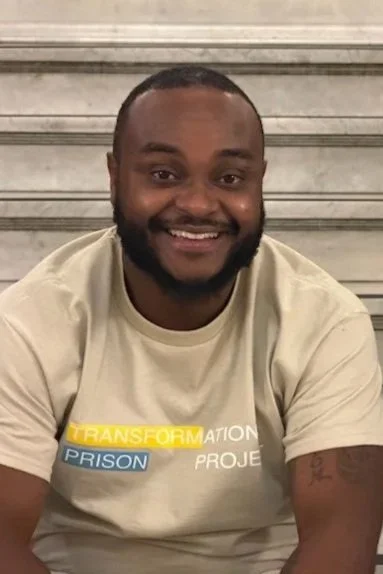
Special Project and Training Coordinator
Transformational Prison Project
Paroled October 2024
Jean Thebaud
“Right now, the system is not set up to make success the norm; it’s set up so you have to figure it out on your own.”
After serving over 17 years, I came home in November 2024 thinking I was prepared—but I wasn’t. My biggest challenges were mental health, family reintegration, and employment. Mental health support was required as part of my parole, but it didn’t feel safe. When you know what you say can be reported back, you hold back and that takes away from what mental health care is supposed to be. At the same time, everything hits you at once - family, expectations, and pressure to succeed. Even with a good job opportunity, it was overwhelming. I kept thinking, “If this is hard for me, how does anyone make it without support?”
I also came home without the basics. I didn’t have an ID, even though policies say it should be ready before release. I had to fight for it myself. Before my release, I didn’t receive real guidance. No one explained what services were available or how to access them. When I was inside, I thought people on the outside just weren’t trying hard enough. Now I see the truth: there are roadblocks everywhere. Even when you’re motivated, the system is hard to navigate and easy to fall through.
What made the difference for me was real support. The Transformational Prison Project (TPP) gave me a job, training, and mental health support. I was fortunate. They stood by me formally to guide me through my reentry process. I also had friends, mentors, and connections who guided me and opened doors. I learned about services through people—not through any system. The truth is, success in reentry right now depends too much on who you know. I had support. Many people don’t.
I did not learn about services from the Department of Correction or any official source. I learned through word of mouth. That means if you don’t know the right people, you may never find the help that exists—even in your own community.
From my experience, Massachusetts needs a coordinated and accessible system of reentry support:
People should leave incarceration with an ID, a clear plan, and direct connections to services already in place
There should be a central, easy-to-navigate system so people know where to go for help
The state should ensure active referrals and connections to community programs before release
Mental health services should be confidential, not feel like their part of parole supervision
Access to services should be clear and direct, so no one has to rely on luck or word of mouth
I worked hard to get where I am, but I also know I had opportunities that many people don’t. I had to fight for basic things, and I had people helping me along the way. Right now, the system is not set up to make success the norm; it’s set up so you have to figure it out on your own. If we want safer communities and real second chances, we need a system that supports people before they come home and guides them every step of the way—not one that leaves them to rely on luck.
Relay Driver
Boston Globe
Paroled October 2024
Ruben Pina
“As for parole helping connect me to services—no, not in my case. I can’t speak for everyone, but in my experience, parole didn’t really guide me toward anything I could use. I didn’t receive support or direction when it came to reentry services. That just wasn’t my experience.”
When I think about the biggest challenges after getting out, the first thing that comes to mind is the adjustment. Adjusting back into society was probably the hardest part. Just getting used to everything again—family, working life, reconnecting with people I left behind, especially loved ones. The second biggest challenge was my children. I was gone for about 12 years, so that absence took a toll. We didn’t really have a relationship anymore, so I had to get to know them, and they had to get to know me. That was rough. Those first three to six months were really, really challenging.
Early on, I was dealing with basic survival challenges too—finding support, figuring out housing, income, and everyday needs. I paroled to my stepdad’s house, so I had somewhere to stay, but I didn’t have a stable income. I didn’t have money for things like clothes or even food at times. Even something like health insurance became a hurdle. I had MassHealth, but it wasn’t active right away, so I couldn’t make appointments. I had an ID, but not a driver’s license, and since I hadn’t had bills or anything in my name for over 12 years, proving residency was difficult. Eventually I worked through it, got my license, and that helped me move forward—especially with getting a job.
Finding employment took some time, but I eventually enrolled in a program called Emerge Career. It’s a great program for people who were incarcerated. I had actually tried to get into it while I was locked up, but I wasn’t eligible at the time—you have to be within a year of your earliest release date, and I still had five years left. But once I got out, I sought them out right away. They had come into the facility before, so I already knew about them. I followed up, got into the program, and through that—by the grace of God—I got my CDL. From there, everything started to come together.
As far as what’s been most helpful during reentry—that’s a tricky question. For me, it’s mostly been something I had to do on my own. I expected there to be more support outside of my family—maybe from the judicial system, parole, probation, or nonprofit organizations—but that really wasn’t my experience.
My reentry has been about consistency and effort. Just pushing myself, looking for ways to improve, trying to reintegrate into society in a productive way. Doing my due diligence, staying focused. Because at the end of the day, I didn’t feel like there was enough support available or people really reaching out. Some of the resources I did find, I found on my own. Others came through people connected to different organizations. While I was incarcerated, there were outside vendors and programs that would come into the facility—nonprofits, reentry programs—and I paid attention. I tried to take in whatever I could that might help me later. That’s how I found programs like Emerge Career. They came in, explained what they do, and I made sure to follow up after my release. Programs like that can really help—but you have to take the initiative to seek them out.
As for parole helping connect me to services—no, not in my case. I can’t speak for everyone, but in my experience, parole didn’t really guide me toward anything I could use. I didn’t receive support or direction when it came to reentry services. That just wasn’t my experience.